
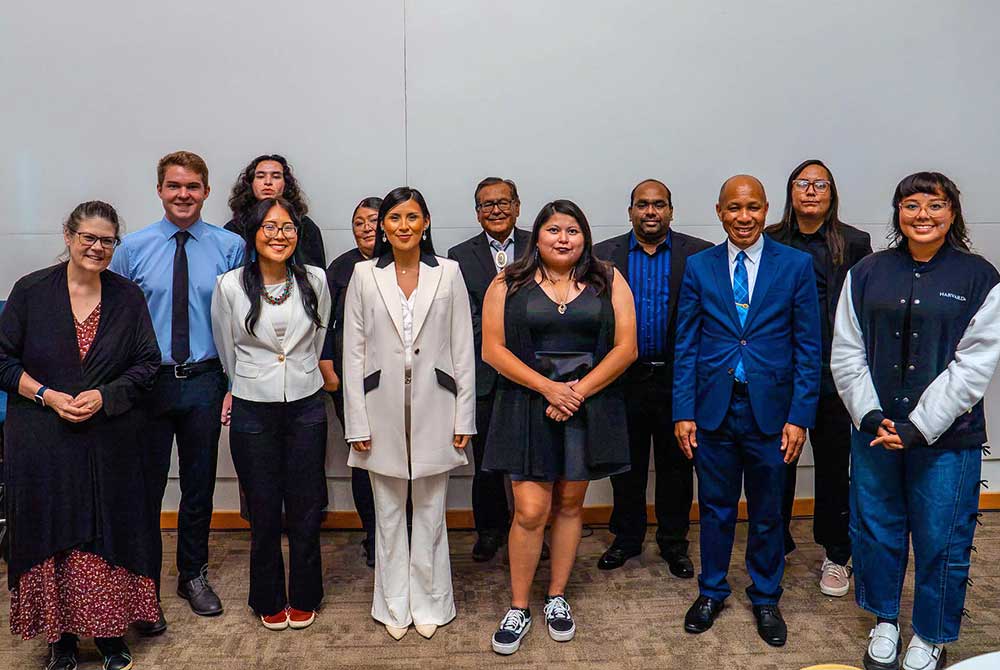
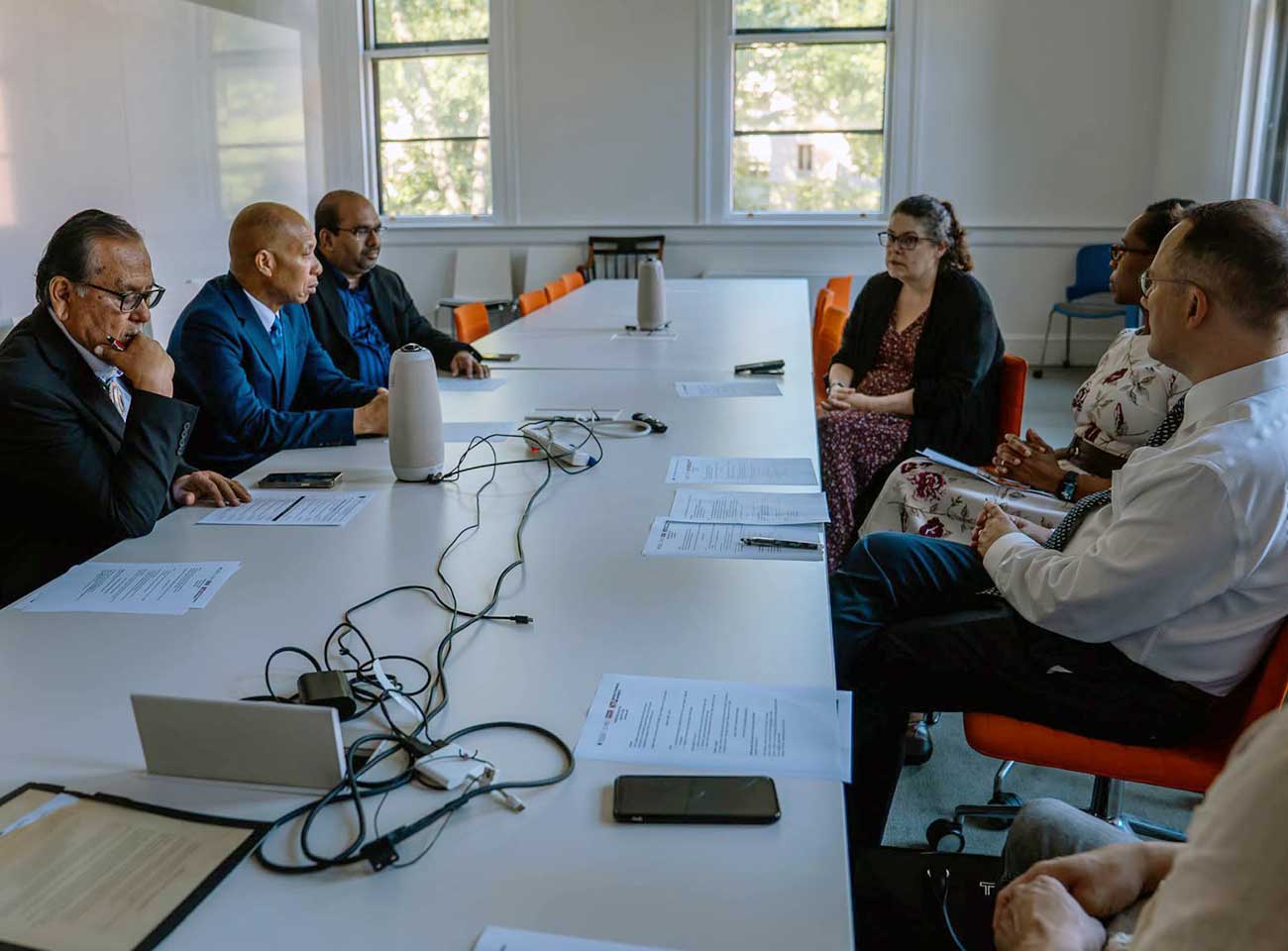
During the Research Experience Undergraduates symposium, NTU President Dr. Elmer Guy, Dean of Undergraduate Students Dr. Casmir Agbaraji, and PREM PI Dr. Thiagarajan Soundappan met with Harvard leadership. Their discussions with School of Engineering and Applied Science (SEAS) Dean David Parkes, Director of Community Engagement Dr. Kathryn Hollar, and Harvard University Native American Program (HUNAP) Executive Director Jordan T. Clark centered on strengthening partnerships with PREM faculty, long-term collaborations, and coordinating the selection of future student cohorts.
The comprehensive curriculum required students to design their own 10-week schedules within specific REU Research Areas under the supervision of faculty advisors and mentors. Alongside their laboratory work, the undergraduates engaged with the local community, toured regional innovation centers, and explored the cultural landscape of the Cambridge area. They also attended weekly training sessions designed to sharpen their professional communication skills, with a strong focus on manuscript preparation, personal narratives, and data articulation.
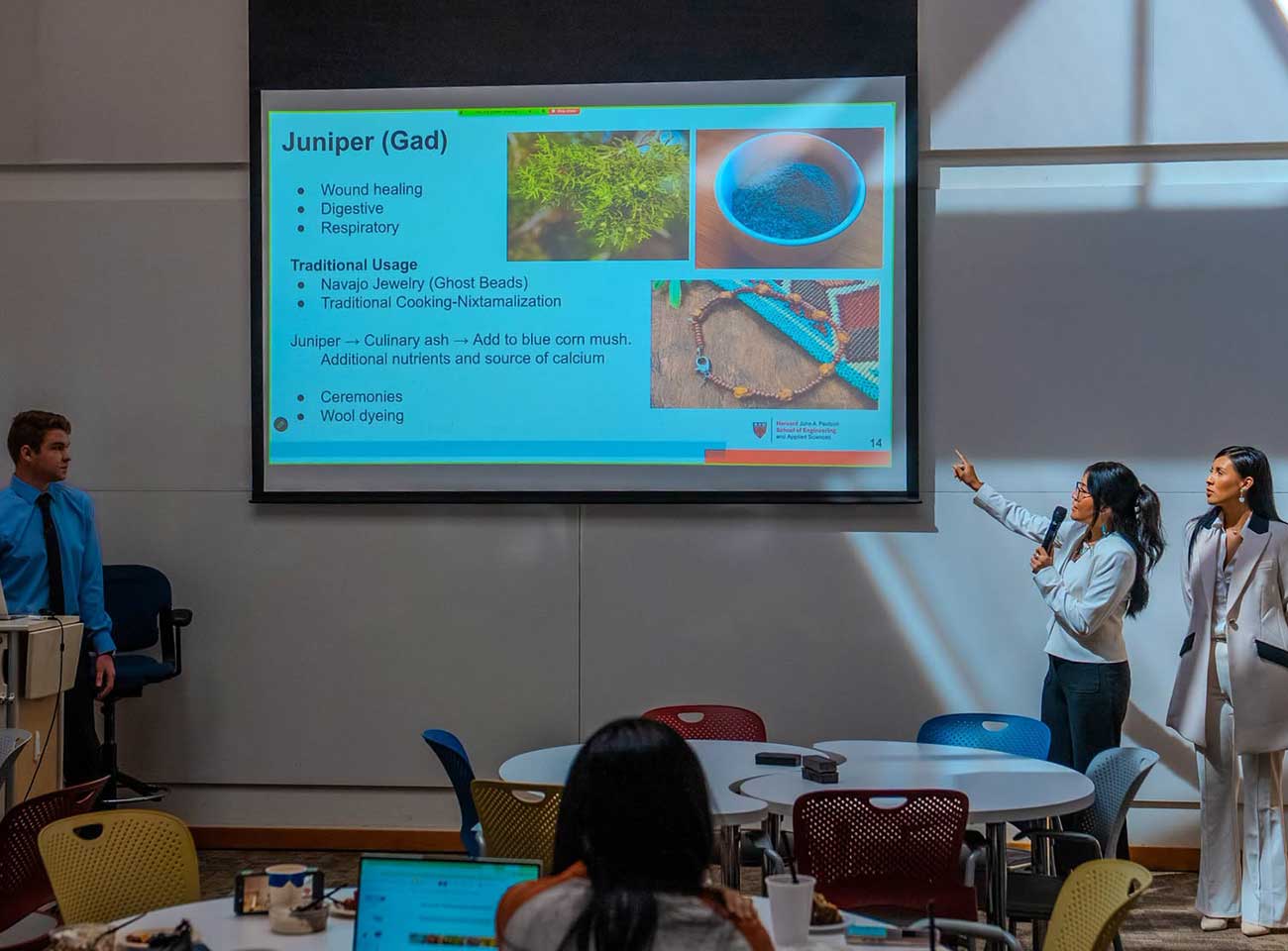
The summer experience culminated at Pierce Hall, Room 301, where students shared their methodologies and outcomes with prominent faculty and peers during the formal REU symposium. Joining student researchers from other prestigious institutions—including the University of Massachusetts, the University of New Mexico, Johns Hopkins University, and Princeton University—the NTU scholars successfully delivered their final presentations. Following the research sessions, panels composed of faculty and program alumni provided strategic guidance on entering graduate school and exploring various professional paths.
The ambitious final research projects undertaken by the NTU students spanned diverse scientific inquiries:
• Teshi Begay, Tori-Lynn Largo, and Hunter Reidhead led presentations on their study, “Native American Tea & Herb Bioactive Extraction and their Antimicrobial Effects,” which combined scientific analysis with a critical look at research ethics.
• Lynette Castillo compiled a comprehensive report, abstract, and oral presentation detailing her scientific progress on “The chemistry and spectroscopy of turquoise – relevance to cultural history.”
• Gaile Martin offered novel perspectives on the dynamics of mechanically soft systems far from equilibrium with her project, “Fabricating passive flow devices with custom-built check valves.”
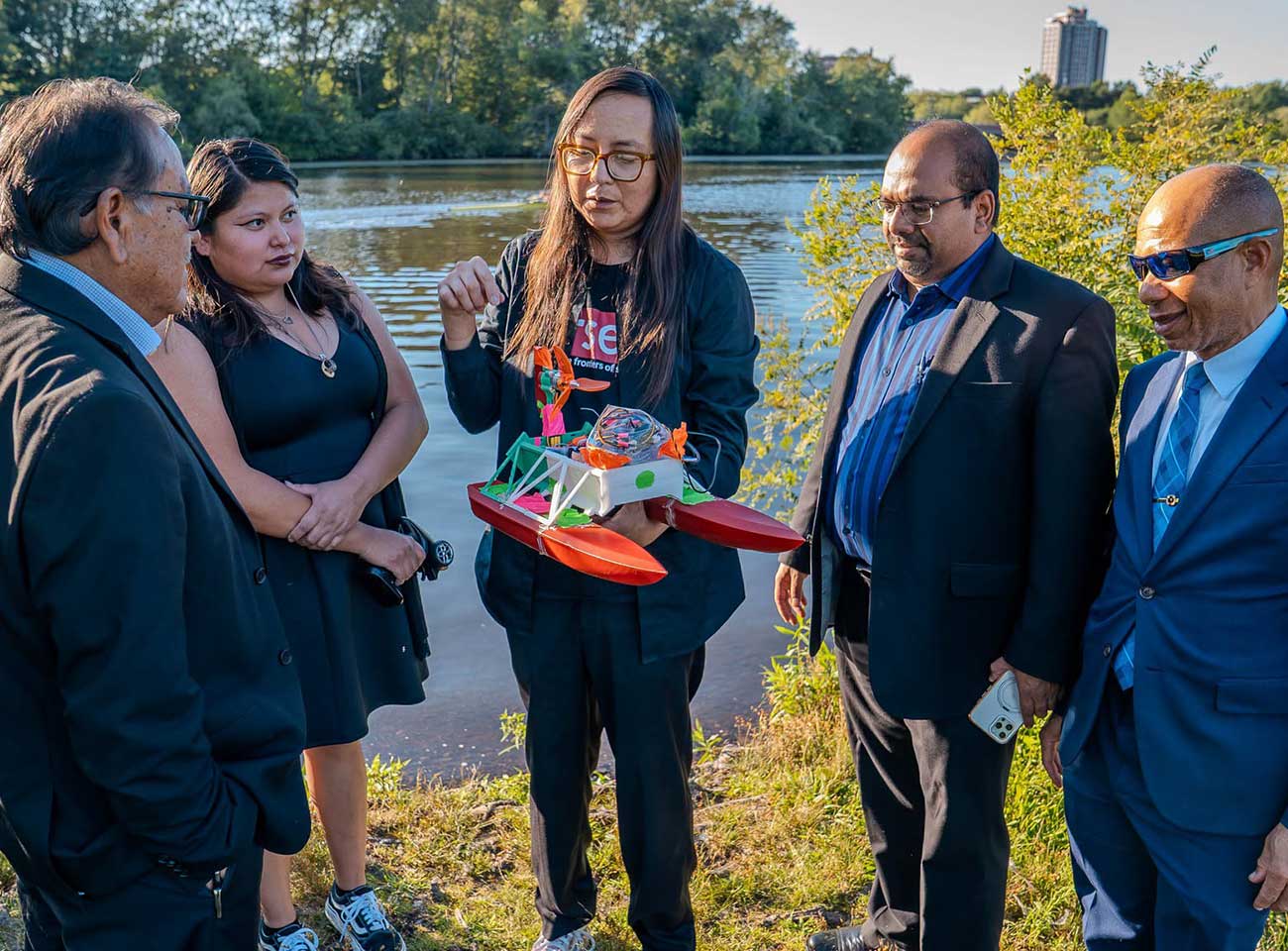
• Wayant Billey and Karen Dan focused on environmental monitoring in the Charles River, presenting their work on “Real-time spatial mapping of heavy metal contamination using a 3D printed electrochemical sensing boat.”
According to Dr. Kathryn Hollar, Director of Community Engagement, the program provides a dedicated avenue for training undergraduates across vital fields such as biomaterials, materials science, robotics, computer science, and energy and the environment, while helping them discover pathways to graduate school.
Highlighting the long-term impact of the initiative, Dr. Soundappan remarked, “The program definitely is life-changing.” He emphasized that the primary goal is to train and retain a diverse generation of professionals in materials science and engineering by fostering innovation and entrepreneurship throughout the entire community.
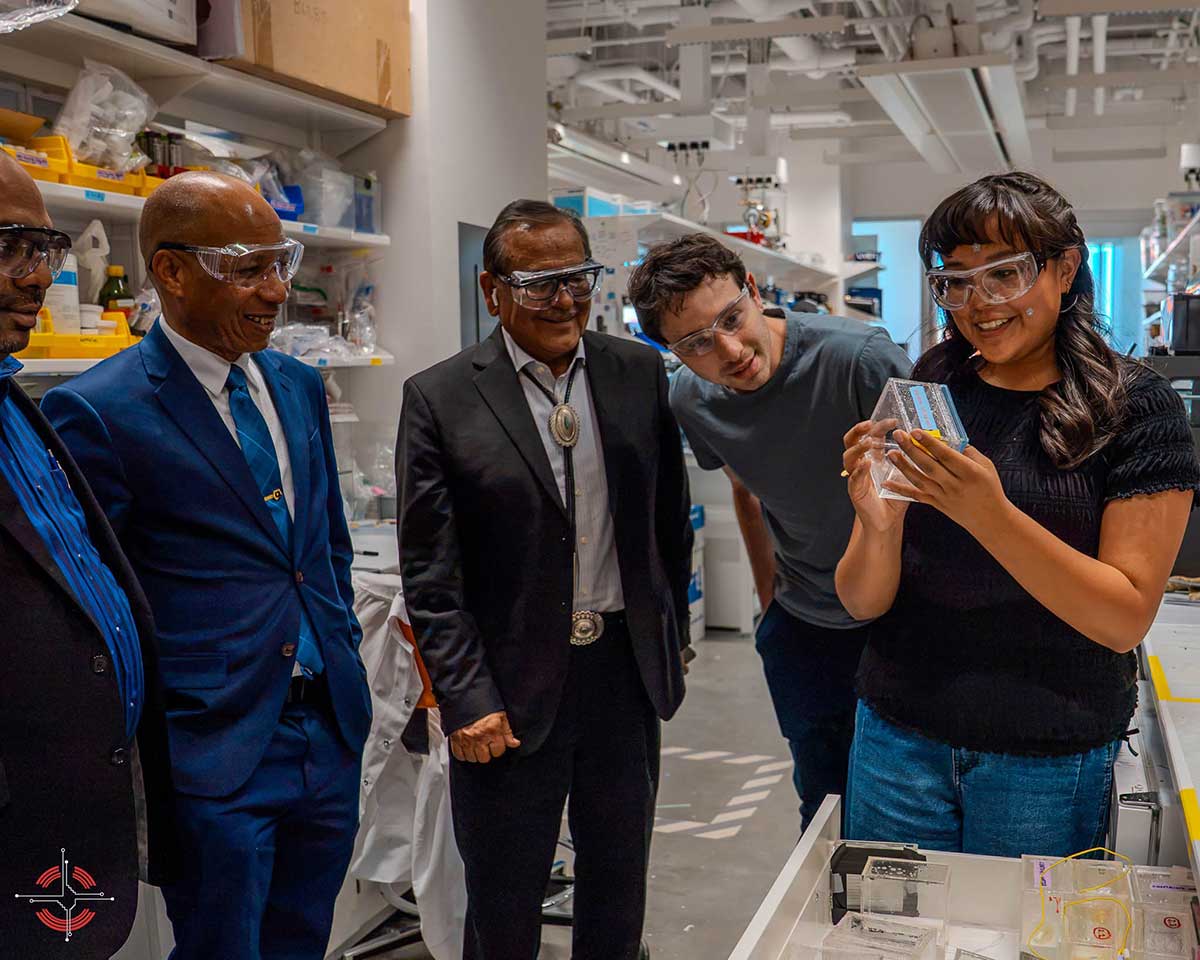
The administration of Navajo Technical University extends its profound gratitude to the distinguished faculty advisors and mentors, including David Weitz, Daniel Smith, Malcolm Hathaway, Joanna Aizenberg, and Raphael Kay. Special appreciation is also offered to Robinson Tom of Little Water, NM, and Dr. Kathryn Hollar for facilitating immersive tours of student laboratories within the Science & Engineering Complex (SEC) and the broader Cambridge campus.
Dale Morgan
Communications Specialist
dmorgan@navajotech.edu